

A disc injury can go from a nagging ache to can’t-stand-up-straight in a matter of hours. We see it all the time: people who walk-in bent sideways, unable to turn their neck, or barely able to make it from the car to the front door. If that is you right now, you are in the right place.
Our Wheat Ridge clinic is a walk-in office, so acute disc pain gets seen the same day instead of weeks from now.
What a Disc Injury Actually Is
Between each of the bones in your spine sits a cushioning disc. When one bulges or herniates, its softer center pushes against the tougher outer wall and, often, against a nearby nerve. That nerve pressure is what turns a back problem into shooting pain, numbness, or weakness that can travel down an arm or leg. When it travels down a leg, it often shows up as sciatica and pinched-nerve pain.
Disc injuries show up in a few familiar ways:
- Sharp or radiating pain in the neck, back, arm, or leg
- Numbness, tingling, or a pins-and-needles feeling
- Weakness or a heavy, unreliable feeling in a limb
- Pain that spikes when you sit, bend, cough, or sneeze
How We Treat Disc Injuries
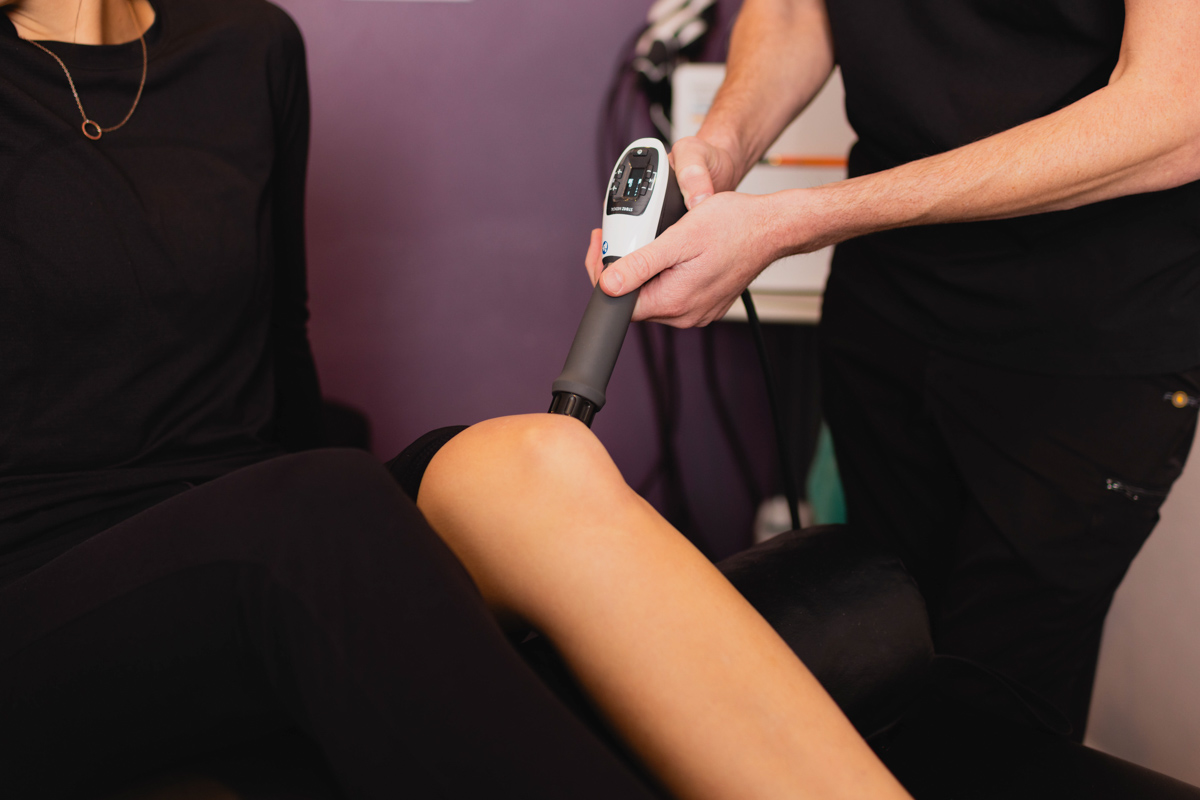
There is no single answer for every disc, so we start by figuring out what you are actually dealing with. From there, care may include several tools we keep in-house.
Conservative chiropractic care
Many disc injuries respond well to hands-on care that restores motion and takes pressure off the irritated nerve, without anything invasive. This is often where we start.
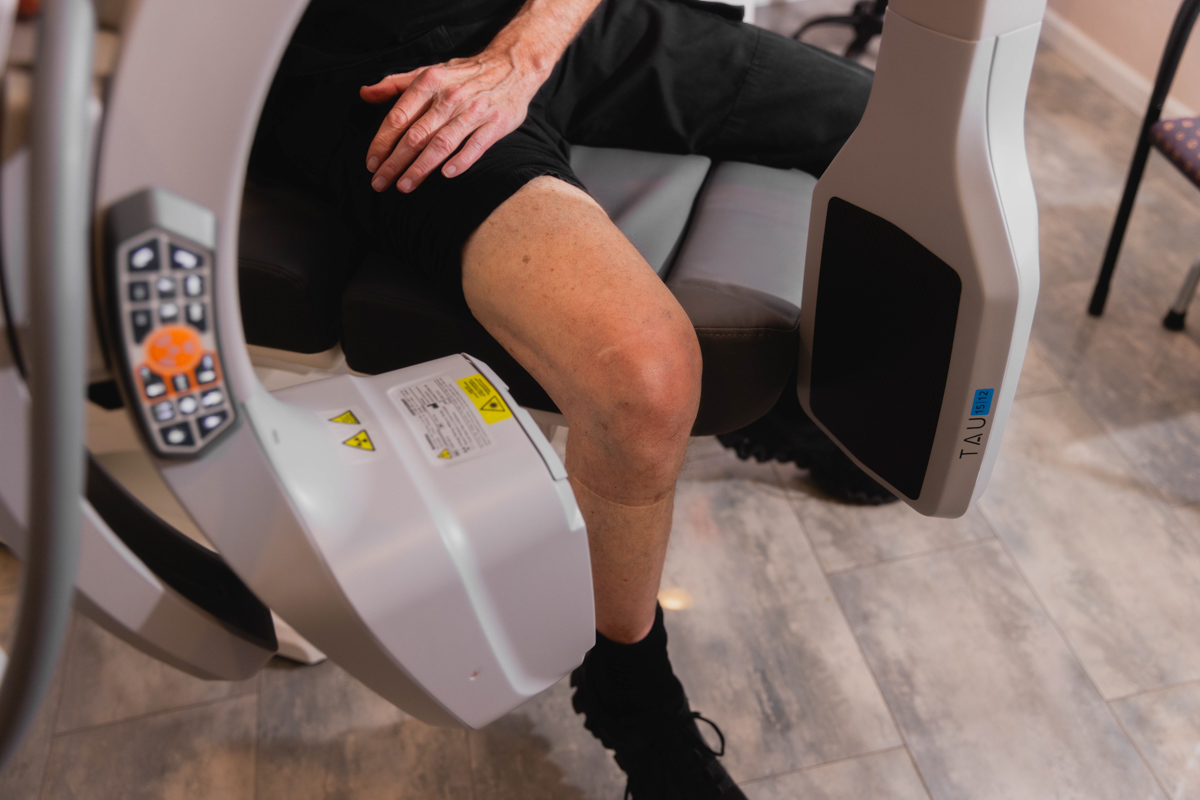
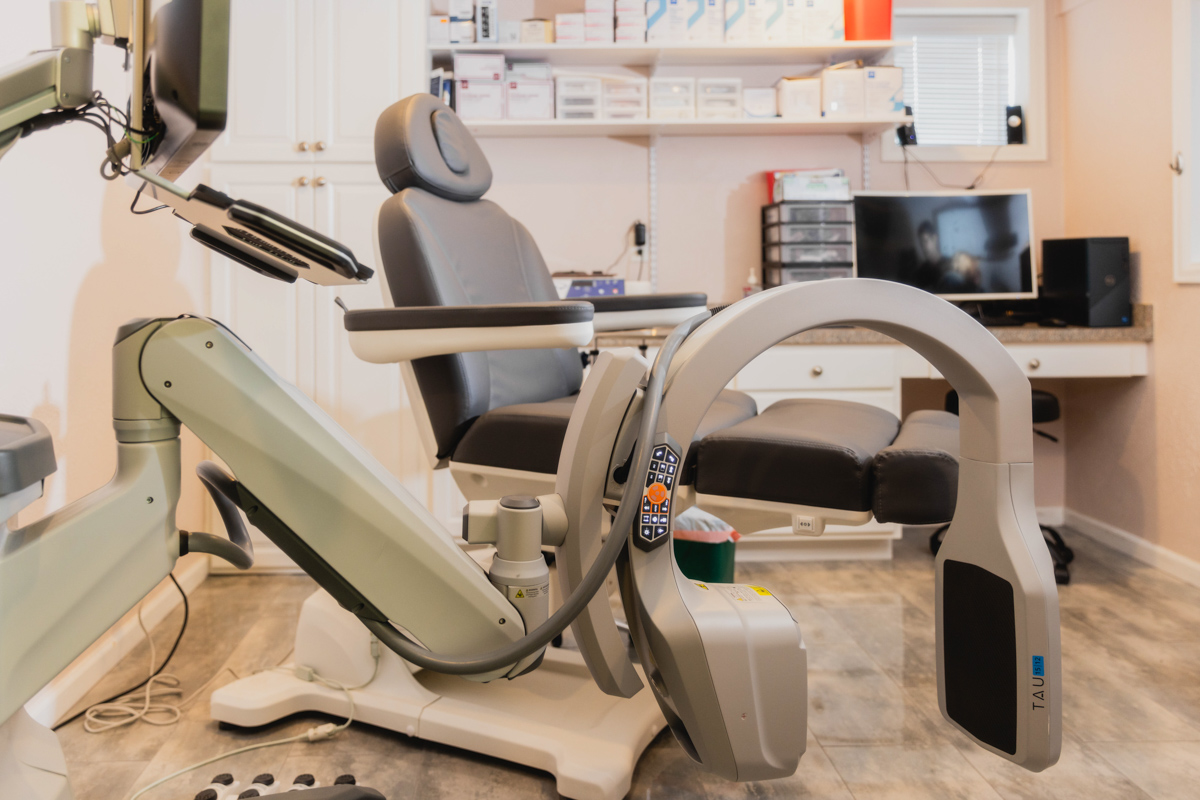
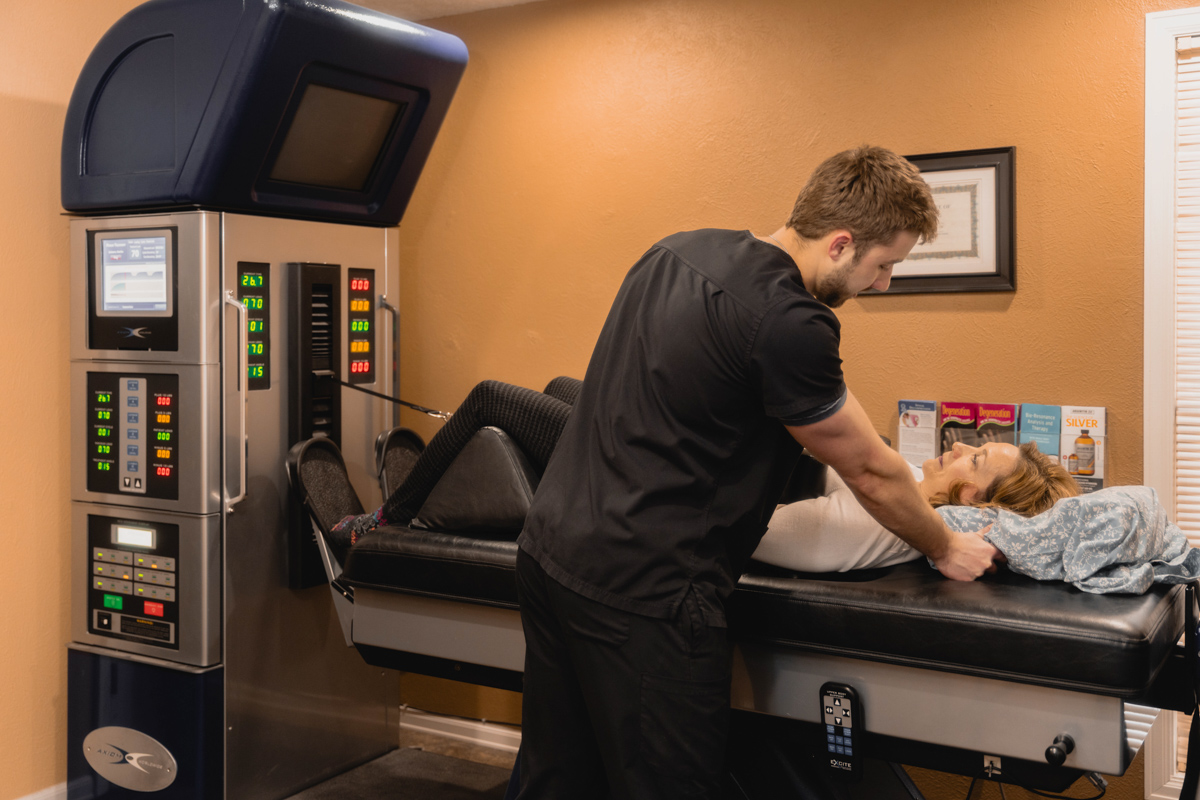
Spinal decompression on the DRX-9000
For the right candidate, spinal decompression on the DRX-9000 can ease a disc off the nerve and give it room to heal. We are honest about when it fits, because not every disc needs it.
Hyperbaric oxygen as a supportive therapy
In some cases we use hyperbaric oxygen alongside other care to support the body’s healing environment. Whether it is appropriate depends on your specific situation, and we will talk it through with you.
Why Early Care Matters
A disc injury that is ignored tends to get louder, not quieter. Nerve pressure that lingers can turn a short-term problem into a chronic one. Getting evaluated early gives you the best shot at conservative care working, before the situation hardens into something tougher to unwind.

Why People Trust Applewood With Disc Injuries
We see genuinely hurt people
This is not a clinic that only handles routine tune-ups. We are used to acute, complicated cases, including the disc injuries some offices will not touch.
Same-day walk-in access
When you can barely move, you should not have to wait. Come in and we will work to get you seen the same day.
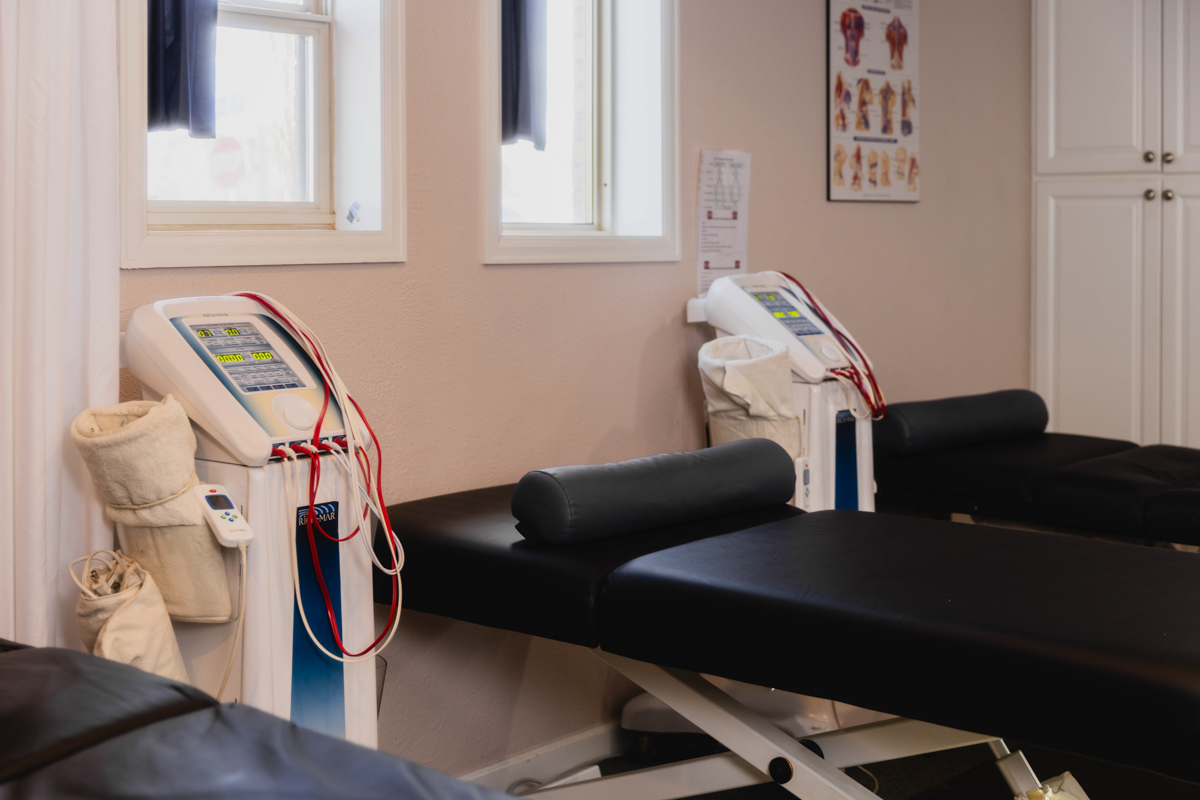
Every tool under one roof
From conservative care to the DRX-9000, we can move between treatments as your recovery progresses without sending you elsewhere.
What Causes a Disc to Give Out
Sometimes a disc injury has an obvious trigger, like a car accident or a heavy lift gone wrong. Often it is quieter than that, the result of pressure that built up over time until the disc finally gave. Common contributors include:
- A sudden lift, twist, or fall that overloads the spine
- The jolt of a car accident
- Years of poor posture and long hours seated
- Normal age-related wear that leaves discs less resilient
Whatever the cause, the pattern is similar once a disc presses on a nerve. That is why we focus less on assigning blame and more on relieving the pressure.
Bulging, Herniated, and Where They Happen
Not all disc problems are the same, and the differences shape your care.
Bulging versus herniated
A bulging disc pushes outward while its outer wall stays intact. A herniated disc is further along, where the softer inner material breaks through the wall. Both can irritate a nearby nerve, and both are treatable, often without surgery.
Neck versus low back
A disc injury in the neck tends to send pain, numbness, or weakness into the shoulder and arm. One in the low back more often radiates into the hip and leg. Where your symptoms travel tells us a lot about where the problem is.
When to Come In Right Away
Most disc injuries are painful but not dangerous, and they respond well to prompt care. A few symptoms, though, mean you should be seen without delay:
- Pain so severe you cannot stand, walk, or find any comfortable position
- Numbness or weakness that is spreading or getting worse
- Loss of control over your bladder or bowels, which is an emergency
- Symptoms that follow a significant fall or car accident
That last category is worth repeating. We see genuinely hurt people every day, and we can evaluate acute disc pain the same day you walk in. If something points to a true emergency, we can recognize it and help direct you to the right level of care rather than leaving you guessing.
Frequently Asked Questions
Common signs include sharp or radiating pain, numbness or tingling, weakness in an arm or leg, and pain that worsens when you sit, bend, or cough. A quick evaluation can confirm what is going on.
Often, yes. Many disc injuries improve with conservative care and, for the right candidate, spinal decompression. Surgery is usually a last resort, not a first step.
It depends on the severity and how early you start care. Some people turn a corner in a few weeks with the right treatment, while others need longer. Starting sooner generally helps.
A little rest early on can help, but too much can stiffen you up. The right amount of movement matters, and it is one of the things we will guide you on after evaluating you.
In the right hands, yes. We evaluate your disc first and tailor the approach to what your body can safely handle. For some cases, gentle decompression is a better starting point than a manual adjustment, and we will guide you to the safer path.
Not necessarily. Our providers can evaluate your symptoms and movement in person and begin appropriate care. If imaging is needed to guide treatment or rule something out, we will let you know and help you get it.
Don't Wait Out Disc Pain
If your back or neck has you moving like you aged 30 years overnight, do not wait it out. Come in today and let us find out what is going on.
Walk in today or book an appointment, and let us find out what is going on before it settles in.