


There is a rhythm to living along the Front Range. You spend the workweek in Wheat Ridge, then point the car west and chase a weekend of fresh powder, rocky singletrack, or a long climb above treeline. It feels incredible while you are up there. Then Monday morning arrives, your neck will not turn, your lower back is locked up, and every step reminds you of what you asked your body to do. If that sounds familiar, you are in good company. We see this pattern all the time, and the encouraging part is that the stiffness and soreness that follow a big day in the high country usually respond well to the right care. Below, we walk through why the mountains take such a toll, how to tell ordinary soreness from something that needs attention, and how we help people get back to feeling like themselves.
Why a Weekend in the Mountains Leaves You Sore and Stiff
A day in the high country asks a lot of your spine, joints, and muscles, often in ways your everyday routine never does. The combination of thin air, cold temperatures, and unfamiliar movement adds up quickly, and the effects tend to show up the next morning rather than in the moment. When you understand what is actually happening, it is easier to respond in a way that helps you recover faster.
Here are the most common reasons your body feels beat up after a mountain day:
- Altitude and dehydration. Higher elevation and dry air pull moisture out of you fast, and dehydrated muscles cramp, tighten, and fatigue sooner.
- Cold muscles working hard. Chilly conditions keep muscles tense and less pliable, which raises the odds of strains and tweaks.
- Downhill and eccentric loading. Descending on skis, a bike, or your own two feet forces muscles to brake against gravity for hours, which is a major driver of next-day soreness.
- Repeated impact and jarring. Bumps, drops, and rough terrain send force straight up through the spine and joints.
- Carrying weight. A loaded pack, ski boots, or bike gear shifts your posture and overworks the shoulders, neck, and lower back.
None of this means you did anything wrong. It simply means your body met a real challenge. Our hands-on chiropractic care in Wheat Ridge is built for exactly this kind of full-body wear and tear, and we can often address the tightness before it settles into a longer problem.
The Mountain Activities That Send People to Our Wheat Ridge Clinic
Different sports stress the body in different ways, but they all tend to point people back down the hill and into our office with the same handful of complaints. Because we sit right in the middle of the Applewood neighborhood, we are an easy stop on the way home for people across the west metro.
Skiing and Snowboarding
Long descents, hard falls, and hours in stiff boots load the knees, hips, and lower back. The constant edge-to-edge effort of carving keeps your core and legs firing for far longer than a normal day of activity. Snowboarders in particular tend to tweak the neck, wrists, and tailbone from catching edges and sitting down hard on packed snow, and both sports tend to leave the mid-back and shoulders tight from bracing against the cold.
Hiking and Backpacking
Steep elevation gain and a heavy pack combine to fatigue the lower back and hips, and long downhill stretches pound the knees and feet with every step. Uneven, rocky footing also forces your ankles and hips to make constant small corrections, which quietly tires out the stabilizing muscles along your spine. Plantar and heel pain are common after big-mileage days, especially when a loaded pack shifts your posture forward for hours at a time.
Mountain Biking and Trail Running
Constant vibration, sudden impacts, and a hunched riding posture leave the neck, shoulders, and mid-back tight long after you rack the bike. Gripping the bars and absorbing rough terrain also loads the wrists, forearms, and upper back. If you already deal with sciatica or pinched-nerve pain, a rough ride or a long day in the saddle can easily flare it up, since the seated, forward-leaning position puts extra pressure on the lower spine.
The Long Drive Home
Do not underestimate the trip back. Sitting for a couple of hours after strenuous activity lets tired muscles stiffen and lock up, so many people feel their worst not on the mountain but the moment they climb out of the car. Our Wheat Ridge location is minutes from Golden, Arvada, and Lakewood, so it is simple to swing by soon after you get back.
Sore Muscles or a Real Injury? How to Tell the Difference
Most post-adventure aches are just your muscles recovering, and they fade over a few days with rest, water, and gentle movement. Some signs, though, point to something more than ordinary soreness and are worth taking seriously. Knowing the difference helps you decide whether to ride it out at home or come get evaluated.
Typical muscle soreness usually looks like:
- General achiness or tightness that is worst a day or two after and then improves
- Discomfort spread across large muscle groups rather than one sharp spot
- Stiffness that loosens up as you warm up and move around
These signs suggest it may be more than soreness, and it is smart to have us take a look:
- Numbness, tingling, or weakness in an arm or leg
- Sharp or radiating pain that travels down a limb
- Pain that keeps you from standing up straight or turning your head
- Soreness that is not improving, or is getting worse, after several days
Radiating or nerve-type pain can signal an issue with a disc rather than a simple strain. If any of that matches what you are feeling, our page on herniated and bulging disc care explains how we evaluate and treat it, and our guide to herniated disc warning signs is worth a read.
How We Help You Bounce Back After the Mountains
The advantage of coming in is that we can treat the whole picture in one visit rather than chasing one symptom at a time. Instead of guessing, we start by evaluating what is actually going on, then build the visit around what your body needs, drawing on several tools under one roof. That way, a stiff neck, a cranky lower back, and a tight hip can all be addressed together rather than over separate appointments.
- Chiropractic adjustments. Gentle, targeted adjustments restore motion to stiff joints in the spine and help the surrounding muscles relax.
- Trigger point and soft-tissue work. Hands-on therapy releases the knots that build up in overworked shoulders, backs, and legs.
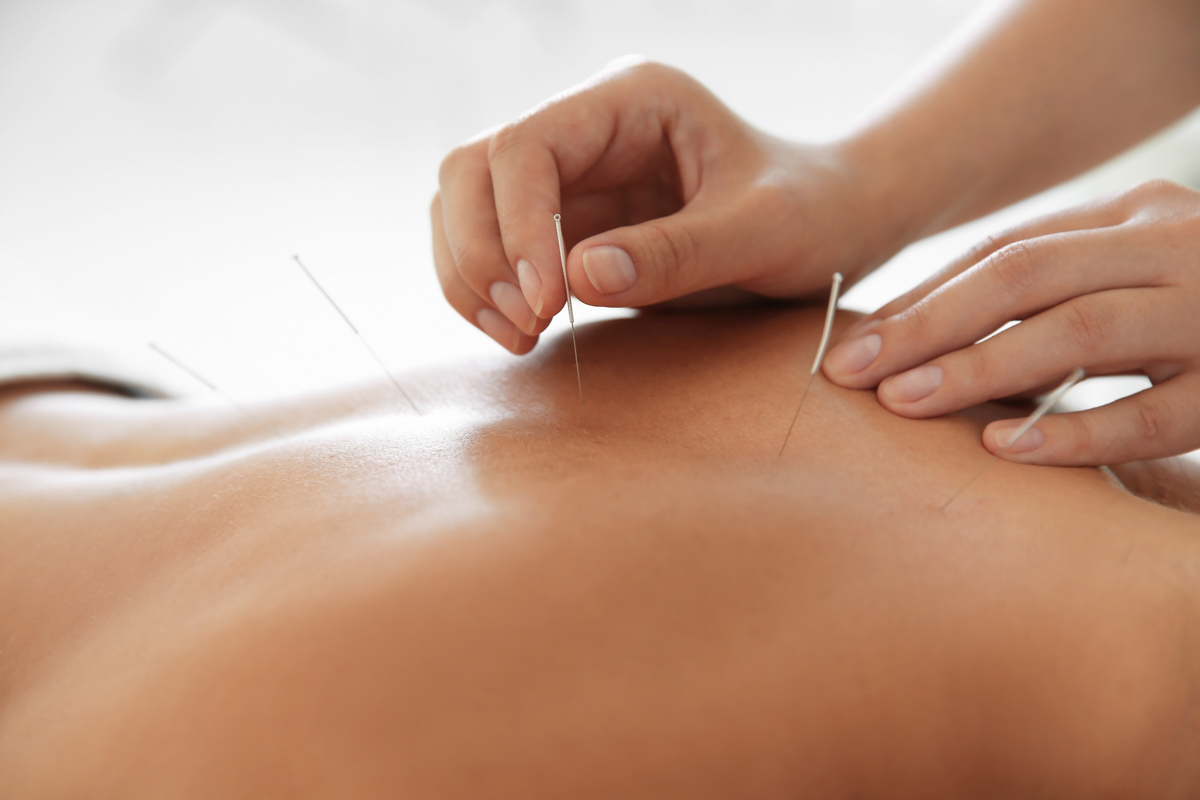
- Dry needling. For stubborn muscle knots that will not let go, dry needling can release tension quickly and get you moving again.
- Shockwave therapy. A strong option for lingering tendon and soft-tissue pain, including the heel and foot pain that often follows long hikes.
- Stretching and strengthening guidance. We show you simple movements to keep the recovery going after you leave.
If your evaluation points to disc-related nerve pain rather than a muscle strain, we also offer non-surgical spinal decompression as a drug-free, no-surgery path. And because we are a walk-in clinic that keeps room for same-day visits, you do not have to wait weeks to be seen when you are already hurting.
Smart Habits for Before and After Your Next Mountain Day
A little preparation goes a long way toward keeping the soreness manageable. None of this replaces professional care when you need it, but these simple habits can lower your odds of limping into the week ahead.
- Hydrate early and often. Start drinking water before you head up and keep at it, since altitude dehydrates you faster than you expect.
- Warm up before you go hard. A few minutes of easy movement wakes up cold muscles and prepares your joints.
- Build up gradually. Ramp your distance and intensity across the season instead of going all out on the first big weekend.
- Dial in your gear. Adjust pack straps, check boot fit, and set up your bike so your body is not fighting your equipment.
- Stretch and move afterward. Light stretching and a short walk after you finish help flush out stiffness before it sets in.
- Break up the drive. Shift positions, roll your shoulders, and stop to stand and stretch on the way home.
- Use ice and heat wisely. Ice can calm an acute flare, while heat helps loosen general tightness.
Most of all, pay attention to what your body is telling you. Pushing through sharp or nerve-type pain rarely ends well, and catching a small problem early is far easier than untangling a big one later.
A Quick Recap Before Your Next Trip
The mountains are one of the best parts of living here, and a sore back does not have to be the price of admission. Keep these takeaways in mind as you plan your next adventure:
- Altitude, cold, downhill loading, impact, and heavy gear all add up to next-day soreness, so it is normal to feel it.
- The long drive home often makes tired muscles stiffen, which is why so many people feel their worst once they are back in town.
- General achiness that improves over a few days is usually just recovery, while numbness, tingling, radiating pain, or symptoms that will not ease deserve a closer look.
- We treat the whole picture in one visit and keep room for same-day walk-ins, so you can be seen when it hurts rather than weeks later.
- A few smart habits before and after your trip go a long way toward keeping you on the trail and off the couch.
Book an Appointment After Your Next Mountain Adventure
If you came down from the high country stiff, sore, or dealing with a nagging ache that will not quit, we are here to help you feel like yourself again. Our team treats real injuries as well as everyday wear and tear, and as a walk-in clinic we keep same-day appointments open so you do not have to wait. Whether you skied all weekend, logged big miles on the trail, or just feel wrecked from the drive back, we will figure out what is going on and get you moving. When you are ready, book an appointment and walk in today.
Don't Wait Out the Pain. Book an Appointment Today!
An article can point you in the right direction, but it can’t examine you. That takes a real visit. Our Wheat Ridge clinic takes walk-ins the same day, so you don’t wait weeks for an opening. Come in when it works for you, no referral needed, and we’ll figure out what’s actually going on.
Like this article? Spread the word!
Related Posts

Dry Needling vs Acupuncture: What’s the Difference?
Dry needling vs acupuncture: how they differ, what each treats, and which fits your pain.…

Can a Chiropractor Help With Sciatica?
Yes—chiropractic care can ease sciatica for many people. Here's how adjustments and…

Should You See a Chiropractor After a Car Accident?
Learn about common auto accident injuries and personalized chiropractic care at Applewood…