
If you have ever looked into treatment for stubborn muscle pain, you have probably seen both dry needling and acupuncture recommended, sometimes in the same breath. Both use thin needles, both can help with pain, and both have loyal followers. That is where the similarities mostly end. The two approaches come from very different traditions, rely on different training, and aim to do different things inside your body. Understanding how they compare makes it easier to choose the option that actually fits your situation. At Applewood Chiropractic in Wheat Ridge, we offer dry needling as part of our hands-on care, so we want to give you a clear, honest look at how it stacks up against acupuncture.
What Is Dry Needling?
Dry needling is a modern treatment that uses very thin, sterile needles to release tight bands of muscle known as trigger points. It is grounded in Western anatomy and neurophysiology, and the goal is straightforward: calm overactive muscles, improve blood flow, and restore normal movement. It is often performed by chiropractors and physical therapists who have completed specific dry needling certification.
How dry needling works
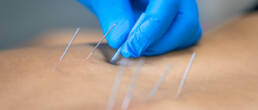
During a session, we insert a fine needle directly into a trigger point, the tight knot inside a muscle that can refer pain to other areas. You may feel a quick twitch when the needle reaches the right spot, which is a normal sign that the muscle is releasing. The word dry simply means that no fluid or medication is injected. The needle itself creates the therapeutic effect, prompting the muscle to relax and the nervous system to reset how it signals pain.
What a dry needling session feels like
Most people are surprised by how quick and tolerable dry needling is. The needles are far thinner than the ones used for shots, so insertion is usually mild. You might notice a brief ache, a cramp-like sensation, or the small twitch that tells us the trigger point has responded. Any soreness afterward tends to feel like the day after a good workout, and it usually fades within a day or two. We always explain what we are doing before we begin, and we adjust the intensity to keep you comfortable throughout.
What dry needling helps with
Dry needling tends to work best for muscular and movement-related problems, including:
- Muscle knots and trigger points
- Neck, shoulder, and upper back tension
- Tension-type headaches driven by tight muscles
- Strains, tweaks, and overuse injuries
- Stiffness that limits your range of motion
Because it targets the muscles and soft tissue, our dry needling sessions are often combined with chiropractic adjustments in a single visit. At our Wheat Ridge clinic, it is available on a same-day, walk-in basis and is covered by most insurance plans.
What Is Acupuncture?
Acupuncture is a practice rooted in Traditional Chinese Medicine that has been used for thousands of years. It involves placing thin needles at specific points across the body to influence the flow of energy, often described as qi, along pathways called meridians. Rather than focusing on a single tight muscle, acupuncture takes a whole-body view and aims to restore overall balance.
A few things set acupuncture apart as its own tradition:
- Origin: it comes from Traditional Chinese Medicine, a complete system of care with its own philosophy.
- Point selection: needles are placed along a mapped system of meridian points, which may sit far from where you feel pain.
- What it addresses: practitioners use it for a wide range of concerns, from pain and stress to sleep, digestion, and general wellness.
- Who performs it: acupuncture is typically provided by a licensed acupuncturist trained specifically in Traditional Chinese Medicine.
A typical acupuncture session may involve several needles placed and left in for a period of time while you rest. Sessions are often calm and relaxation-focused, and a course of care can span multiple visits depending on your goals. Because the approach is rooted in a different tradition, an acupuncturist will usually ask about your overall health, energy, sleep, and stress rather than focusing only on the muscle that hurts.
In short, acupuncture is designed to work with the body as a whole system, which is a very different starting point from the muscle-focused logic behind dry needling.
Dry Needling vs Acupuncture: What Actually Sets Them Apart
The clearest way to understand the difference is this: dry needling treats muscles based on Western anatomy, while acupuncture works with the body’s energy system based on Traditional Chinese Medicine. The needles may look alike, but almost everything else is different. Here is how the two compare across the details that matter most:
- Philosophy: dry needling is built on Western musculoskeletal science, while acupuncture is built on the energy-balancing framework of Traditional Chinese Medicine.
- Where the needles go: dry needling places needles directly into trigger points and tight muscle, while acupuncture uses mapped meridian points that may be nowhere near the painful area.
- Main goal: dry needling aims to release muscle tension, restore movement, and reduce localized pain, while acupuncture aims to restore overall balance and treat a broad range of conditions.
- Training and credentials: dry needling is often performed by certified chiropractors and physical therapists, while acupuncture is performed by licensed acupuncturists trained in Traditional Chinese Medicine.
- Session focus: a dry needling session is targeted and movement-focused, while an acupuncture session is usually broader and whole-body.
These differences also shape how your care is planned. A dry needling plan is usually built from a physical exam and a look at how your body moves, while an acupuncture plan is built from a broader assessment within Traditional Chinese Medicine. Matching the method to the cause of your pain matters far more than the fact that both happen to use needles.
Neither approach is better across the board. They simply answer different questions. When the problem is a specific muscle or a movement limitation, we combine dry needling with hands-on chiropractic care so the muscle and the joint are addressed together.
Is Dry Needling the Same as Acupuncture?
No, dry needling is not the same as acupuncture, even though the two are frequently confused. The confusion is understandable, since both use similar thin needles inserted through the skin. Beyond that shared tool, they are separate disciplines with different roots, goals, and methods.
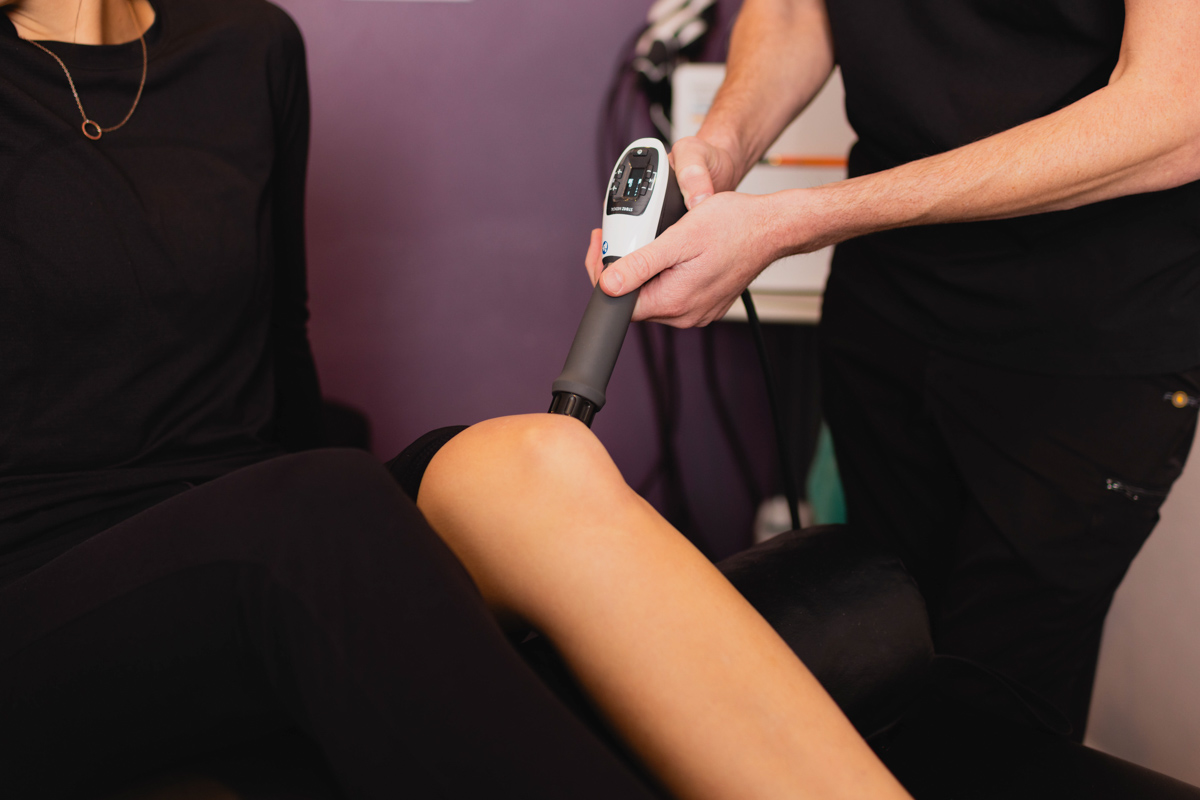
Dry needling grew out of Western sports medicine and physical rehabilitation, and it targets specific muscular dysfunction using what we know about anatomy and the nervous system. Acupuncture is part of a complete traditional medical system with a much longer history and a much wider scope. Thinking of them as interchangeable can lead to the wrong expectations. If your issue is a knotted muscle, a nagging strain, or stiffness that limits how you move, dry needling is usually the more direct route. For persistent tendon or soft-tissue pain that has not responded to other care, we may also recommend shockwave therapy as part of the plan.
Part of the mix-up also comes from the way the two are marketed, since some clinics use the terms loosely. If you are booking care, the simplest thing to do is describe your actual problem and ask which approach the provider recommends and why. A good provider will explain their reasoning and set clear expectations rather than promising that needles alone will fix everything.
Which Approach Is Right for You?
The right choice depends on what you are dealing with and what you want to achieve. A quick way to think about it is to match the treatment to the type of problem you have.
When dry needling may be the better fit
Dry needling is often the more practical choice when the problem is muscular and specific. Consider it for:
- Localized muscle pain and trigger points
- Neck and back pain from posture or desk work
- Tension headaches tied to tight muscles
- Sports and overuse injuries
- Stiffness that is holding back your range of motion
Because it pairs so well with adjustments and is covered by most insurance, dry needling is easy to fold into a broader treatment plan. Many patients dealing with sciatica or nerve-related muscle tightness find it helpful, and you can learn more in our guide on whether a chiropractor can help with sciatica.
When acupuncture may be worth considering
Acupuncture may appeal to you if your goals are broader than a single sore muscle. People often turn to it for whole-body wellness, stress and sleep support, or when they specifically want a Traditional Chinese Medicine approach. Some people even use both over time for different reasons. It is not always an either-or decision.
If you are still unsure, that is completely normal, and it is exactly what an evaluation is for. We look at your history, how you move, and where your pain is actually coming from, then recommend the approach most likely to help. Sometimes that is dry needling on its own, and sometimes it is dry needling combined with adjustments or other therapies in the same visit.
We serve patients across Wheat Ridge and the surrounding communities, including Golden, Arvada, and Lakewood, and we are always happy to talk through whether dry needling is a good match for what you are feeling.
Dry Needling vs Acupuncture at a Glance
If you only remember a few things from this comparison, make it these:
- Both use thin needles, and that is the main thing they share.
- Dry needling is based on Western anatomy, while acupuncture is based on Traditional Chinese Medicine.
- Dry needling targets tight muscles and trigger points directly.
- Acupuncture works with the body’s energy pathways for broader goals.
- For a specific muscle or movement problem, dry needling is usually the more direct option.
- When you are not sure, an in-person evaluation is the fastest way to know what will actually help.
Whether your pain comes from a herniated or bulging disc, a stubborn muscle knot, or an old injury that never fully settled, the right starting point is a proper evaluation rather than a guess. That way, your treatment matches the real cause instead of just the symptom.
Ready to Book an Appointment?
If muscle pain, stiffness, or trigger points are slowing you down, we can help you figure out whether dry needling is the right tool for the job. As a walk-in clinic in Wheat Ridge, we keep room for same-day visits, so you do not have to wait weeks to be seen. Our team will evaluate what is actually going on and build a plan around it, often treating you in the same visit. Most insurance is accepted, and there are no long-term contracts to sign. When you are ready, book an appointment today, or learn more about our dry needling services. When something hurts, you can walk in and be seen, and we will help you get moving again.
Don't Wait Out the Pain. Book an Appointment Today!
An article can point you in the right direction, but it can’t examine you. That takes a real visit. Our Wheat Ridge clinic takes walk-ins the same day, so you don’t wait weeks for an opening. Come in when it works for you, no referral needed, and we’ll figure out what’s actually going on.
Like this article? Spread the word!
Related Posts

Back From the Mountains and Aching? How Chiropractic Care Can Help You Recover
Back from the mountains and sore? See how chiropractic care in Wheat Ridge eases…

Can a Chiropractor Help With Sciatica?
Yes—chiropractic care can ease sciatica for many people. Here's how adjustments and…

Should You See a Chiropractor After a Car Accident?
Learn about common auto accident injuries and personalized chiropractic care at Applewood…